

- CAUSES
- –
- –
- 3-min read
Climate Change
Our planet is warming faster than at any time in the past 10,000 years. With these changes, species have to adapt to new climate patterns (variations in rainfall; longer, warmer summers etc). Global warming resulting from human emissions of greenhouse gases. The consequences include habitat loss, shifts in climatic conditions and in habitats that surpass migrational capabilities, and altered competitive relationships.
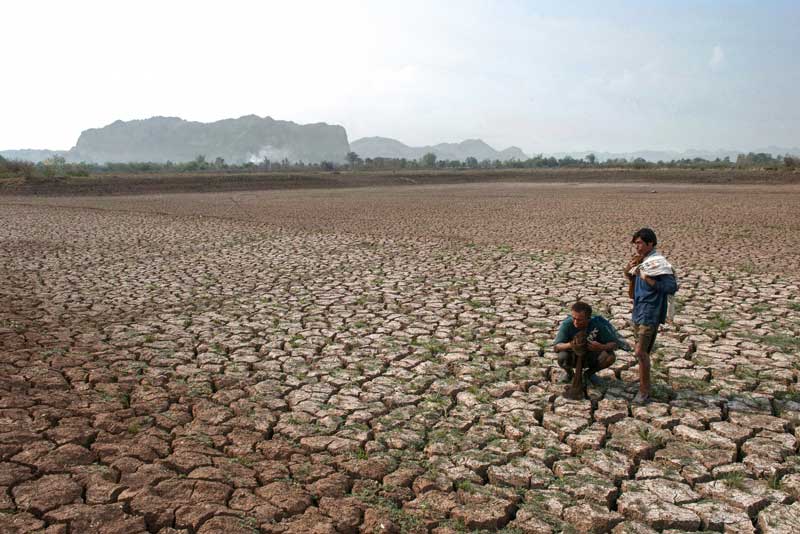
Climate change is one of the most well-known animal extinctions to us, and it should be our most immediate concern. More precisely, the most well-known consequence of climate change, global warming, acts as one of the drivers to animal extinction. All creatures, plants, and animals have a specific temperature range within which they thrive, and outside of which they suffer. To some extent, animals and plants can move polewards to stay in a comfortable temperature zone as temperature now is rising globally. However, there are still many species that are unable to move further out of its living hemisphere because they encounter such physical limits. For example, last year, considering marine habitats, we have witnessed seagrass die-offs that have been attributed to marine heatwaves.
Global climate change is not just warming, either. The most critical components of climate change are changes in seasonality, and potentially drought as the region is already water-limited and water-stressed. The influence of drought on forest ecosystems is still poorly understood, but is known to alter lead chemistry, and mortality rates in trees, and is therefore likely to alter community composition. Recovery following droughts can take up to several years; hence, in water-limited regions across Southeast Asia, increasing drought permanently alter ecosystems. Taking the 1997 - 1998 El Nino Southern Oscillation effect, which a weather pattern characterized by warming of the eastern Pacific, has destroyed a vast area of peatlands and forests. In addition to habitat loss, it is estimated that 1,000 orangutans in Indonesia (2.5% of the population) died from the event.
From a different perspective, there are two primary effects of climate change: direct and indirect effects. The direct ones usually refer to temperature and precipitation changes that individual organisms, populations, species distribution, and ecosystem compositions and functions, while the indirect are a result of an alteration of the intensity and frequency of El Nino events, most likely connected to global warming.