

- CAUSES
- –
- –
- 3-min read
Hunting & Trade
The World Wildlife Fund reports that overhunting is responsible for 23% of extinctions. And Southeast Asia is also one of the wildlife trade hotspots, playing all the roles, including supplier, consumer, or even a general import-export emporium.
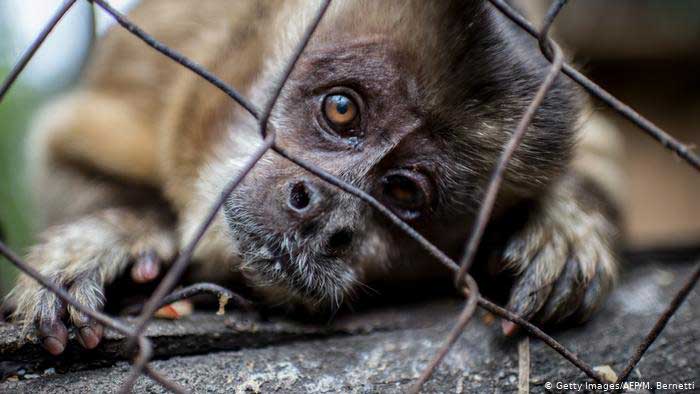
In 2011, the value of the illegal wildlife trade market was recorded to be up to $20 billion. Southeast Asia is also one of the wildlife trade hotspots, playing all the roles, including supplier, consumer, or even a general import-export emporium. A large proportion of this trade is domestic; meanwhile, there are also huge volumes of international wildlife trade. In the region, hunting and business remain a major threat to biodiversity, especially endangered species, despite moves to tighten regulations. Bushmeat markets across the region still openly and ubiquitously display various species.
Researches have shown that there are three primary motives to explain why people keep hunting: culture, food, and money. However, all of these reasons cannot be considered to be acceptable in the region’s wildlife condition. Since the 17th century, excessive hunting has already been recognized as the third most notorious cause of animal extinction. The World Wildlife Fund also reports that overhunting is responsible for 23% of extinctions. Historically, hunting is the cause of the extinction of giant lemurs and elephant birds in Madagascar or Miss Waldron’s red colobus monkey in Ghana or Javan rhino in Vietnam.
However, across much of the region, the enforcement of existing laws is relatively weak. A total ban on trade is highly in need to allow any chance for the current illegal trade to be halted. Furthermore, the release of small controlled volumes of some of the materials (for example, ivory into China from the Hong Kong stock of confiscated ivory) is claimed to have driven up prices and stimulated further demand by over 170%, rather than anticipated reductions in demand.