

- CAUSES
- –
- –
- 4-min read
Pollution
Pollution in the air can wreak havoc on all forms of life, including animals. Air pollution negatively impacts the health of animals, just as it does humans.
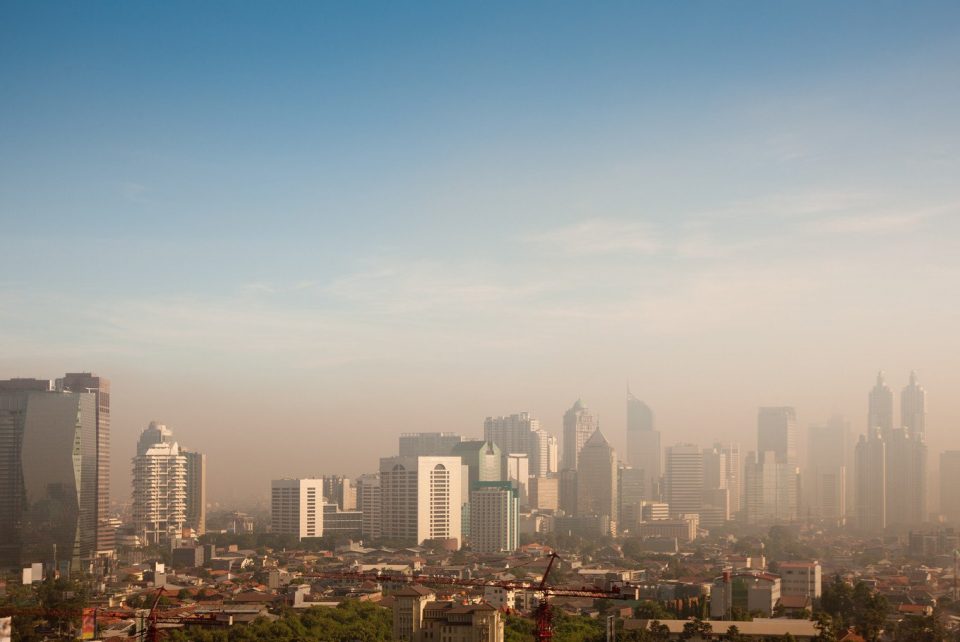
A few days ago, a leading air quality monitoring app, AirVisual, was removed from Vietnam's Apple and Google stores due to the attack in a "coordinated campaign" for disclosure pollution data from the country's smog-choked capital. The app posted that air quality levels in Hanoi reached "unhealthy" levels for several days, then underwent such online abuse. But the incident has successfully drawn people's attention to the alarming rate of air pollution in general as well as its environmental effect. Yet, the impact of pollution on species is rarely mentioned.
All animals, despite their size and type, can be affected by pollution. Basically, animals depend on oxygen that comes from the air; therefore, when the air gets contaminated, harmful gasses and particulates are inhaled. Pollution affects animals in the same way it does humans. The pollution that animals inhale can accumulate in their tissues over time, causing damage to their organs. Some animals also absorb pollution through their skin or food and water.
Deposition of pollutant chemicals in a substantial taxonomic range of species has been detected. More evidence is also required regarding exploring the effects of high concentrations of such chemicals in animal tissues and organs on long-term survival and reproduction. On the other hand, aquatic systems are more vulnerable to pollution in many ways than the terrestrial system, particularly given that many chemicals are soluble; they may quickly diffuse into the tissues of aquatic organisms. The increase in organic compounds level in the riverine systems have caused high mortality to fish and other organisms, and other physiological effects, including spontaneous abortions in the aquatic mammal. The current records of high mortality, along with changing agricultural practices in the region, may raise an increasing risk for the Southeast Asia aquatic biodiversity as a whole.
However, the effects coming from pollution have received remarkably little attention in recent years in spite of driving the significant declines in diversity. More attention is needed to regulate industries to limit pollution from different sources, from agriculture, industry to untreated sewage flowing into waterways.