

- OTHER
- –
- –
- 10-min read
A collection of endangered animals in Southeast Asia
Hop on! We are going on a ride around Southeast Asia to get to know all the native animals that need protection.
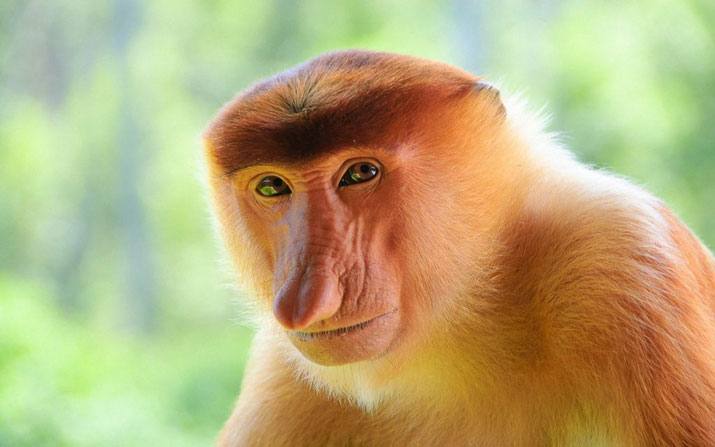
Brunei: PROBOCIS MONKEY
SCIENTIFIC NAME: Nasalis larvatus
TYPE: Mammals
DIET: Omnivore
SIZE: 24 to 28 inches
WEIGHT: Up to 50 pounds (males)
Fun fact: Male proboscis monkeys use their fleshy, pendulous noses to attract mates.
Threats to Survival: Unfortunately, Borneo’s most threatened landscapes are home to these highly specialized primates. The rampant clearing of the region’s rain forests for timber, settlement, and oil palm plantations has depleted huge tracts of their habitat. The fragmentation of the monkeys' range means they are being forced to descend from the trees more frequently and often must travel perilously long distances to find food. Their land predators include jaguars and some native peoples who consider proboscis monkey a delicacy.
Over the last 40 years, proboscis monkey populations have plummeted. They are currently protected from hunting or capture in Borneo.
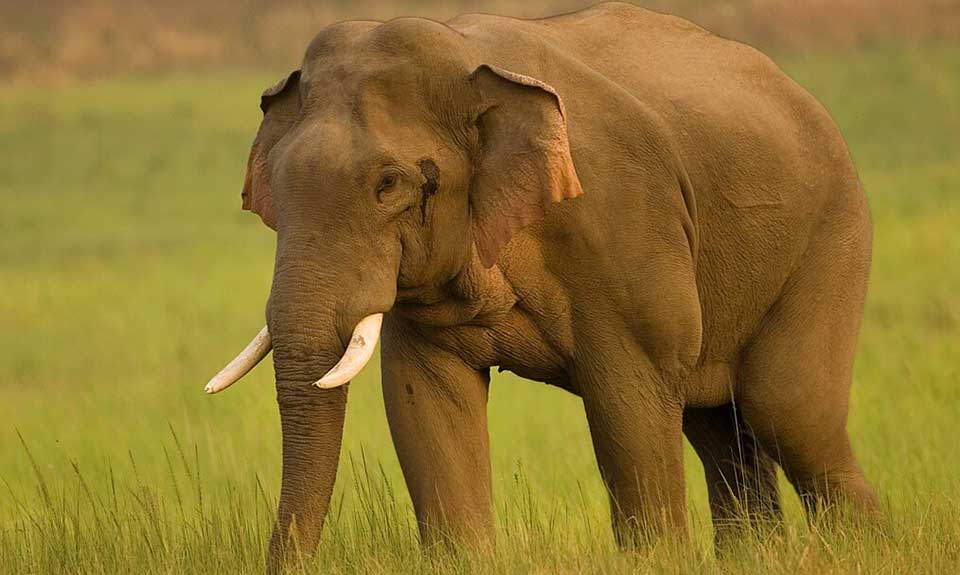
Cambodia: ASIAN ELEPHANT
POPULATION: Fewer than 50,000
SCIENTIFIC NAME: Elephas maximus indicus
HEIGHT: 6.5– 11.5 feet
WEIGHT: around 11,000 pounds
LENGTH: around 21 feet
HABITATS: Forests
WEIGHT: Up to 50 pounds (males)
Fun facts: Asian elephants are extremely sociable, forming groups of six to seven related females that are led by the oldest female, the matriarch.
Threats to Survival: The greatest threats to Asian elephants are habitat loss, fragmentation, and degradation; illegal killing (e.g. for their ivory and other products or in retaliation for human-elephant conflicts); and the loss of genetic viability resulting from small population size and isolation. As a result, Asian elephants now occur on only about 10% of their historical range and many of the remaining populations are both small and isolated.
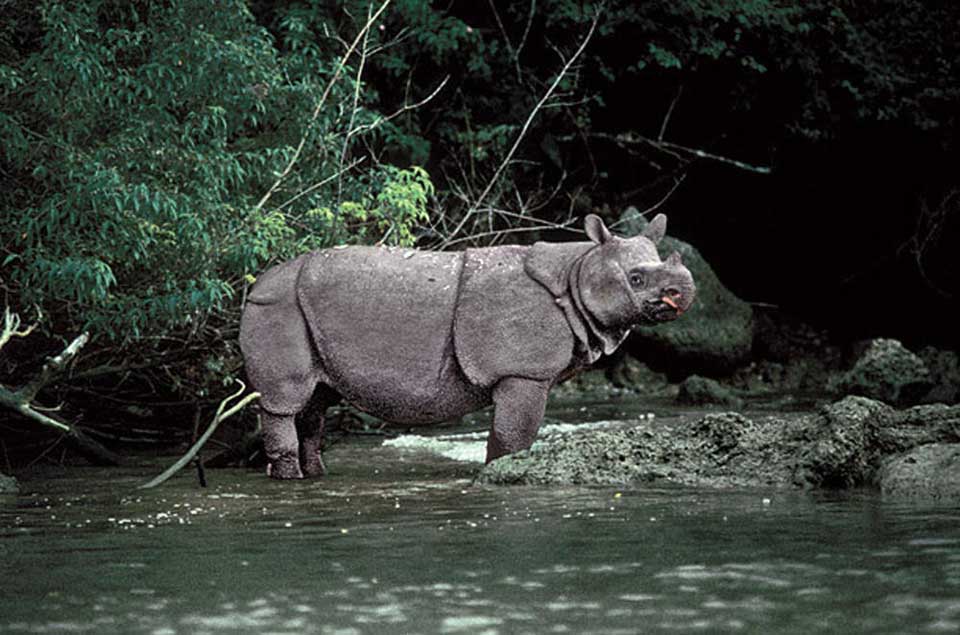
Indonesia: JAVAN RHINO
POPULATION: 58-68
SCIENTIFIC NAME: Rhinoceros sondaicus
HEIGHT: 4.6 - 5.8 ft
WEIGHT: 1,984 - 5,701 pounds
LENGTH: 10-10.5 feet
HABITATS: Tropical forests
WEIGHT: Up to 50 pounds (males)
Fun fact: Javan rhinos are usually solitary, except for females with small caves.
Threats to Survival: The biggest threat to the Javan rhino is the very small size of the remaining populations. This leads to inbreeding and loss of genetic variability and vitality. The two habitats where Javan rhinos occur are secure, but much too small for long-term survival of the species. Apart from poaching, habitat destruction and loss for agriculture and development are further threats to the rhino populations. Habitat is still not a limiting factor overall, but neither of the two remaining habitats are large enough to allow significant growth of the rhino population, now or in the future.

Laos: IRRAWADDY DOLPHIN
POPULATION: The Mekong River Irrawaddy dolphins inhabitat between Cambodia and Lao PDR are scarce - just 92 individuals are estimated to still exist.
SCIENTIFIC NAME: Orcaella brevirostris
WEIGHT: 198-440 pounds
LENGTH: 5.9-9 ft
HABITATS: Lakes, rivers, estuaries and coasts
WEIGHT: Up to 50 pounds (males)
Fun fact: Although it's in the name, the Irrawaddy dolphin looks more like a whale as it doesn't have a beak, which is a common feature among dolphins.
Threats to Survival: Because these dolphins live closer to land than many other species of dolphin they are at a higher risk of being endangered by human activity. The primary threats these dolphins face include pollution or water poisoning, collisions with boats and getting caught in fishing nets. In fact drowning in fishing nets is considered one of the leading causes of death among this species. Global warming, climate changes and the construction of dams are also believed to play a role in the endangerment of this species.
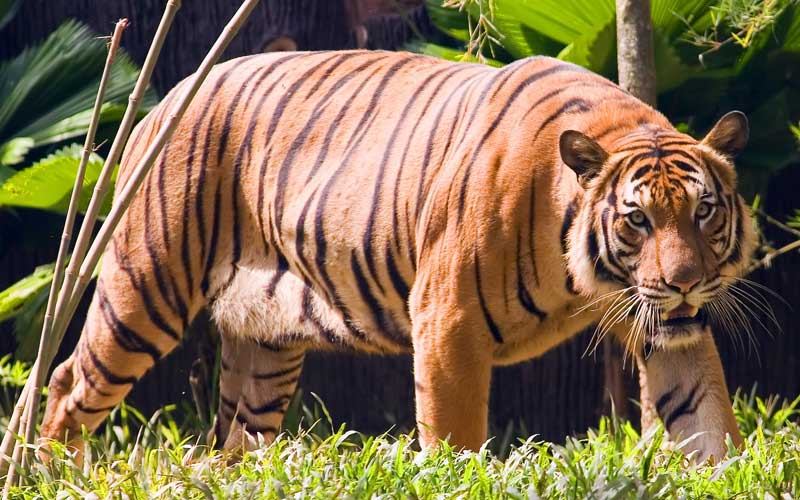
Malaysia: MALAYAN TIGER
POPULATION: 250 - 340
SCIENTIFIC NAME: Panthera tigris jacksoni
WEIGHT: 220 - 640 pounds
HABITATS: Tropical moist broadleaf forests
WEIGHT: Up to 50 pounds (males)
Fun fact: Malayan Tigers were classified as Indochinese tigers until DNA testing in 2004 showed them to be a separate subspecies. Besides, their Latin name—Panthera tigris jacksoni—honors Peter Jackson, the famous tiger conservationist. They are also threatened by the “loss and fragmentation of forests,” and Malaysia has the highest rate of forest loss in the world from 2000-2012, according to Global Forest Change.
Threats to Survival: The Malayan tiger is most threatened by the illegal wildlife trade. Tiger parts are in high demand in many parts of Asia for traditional medicine and poaching has decimated the species for centuries across its wide range.
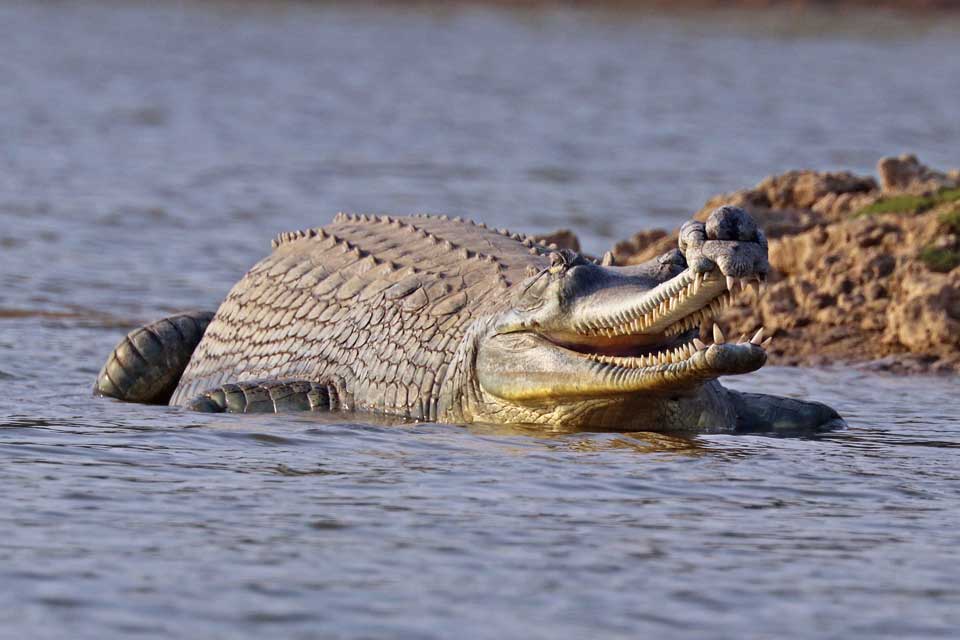
Myanmar: GHARIAL
POPULATION: About 900 individuals on the global scale
SCIENTIFIC NAME: Gavialis gangeticus
SIZE: 12.25 - 15.5ft
WEIGHT: 2000 pounds
HABITATS: Freshwater habitat
Fun fact: The size of a gharial is relative to a 6ft man.
Threats to Survival: Since the mid-1900s, the gharial numbers have declined as much as 98 percent due to hunting for traditional medicine and drastic changes to their freshwater habitats. For instance, people have manipulated the flow of rivers, causing certain areas to dry out and making it more difficult for water-reliant gharials to survive.
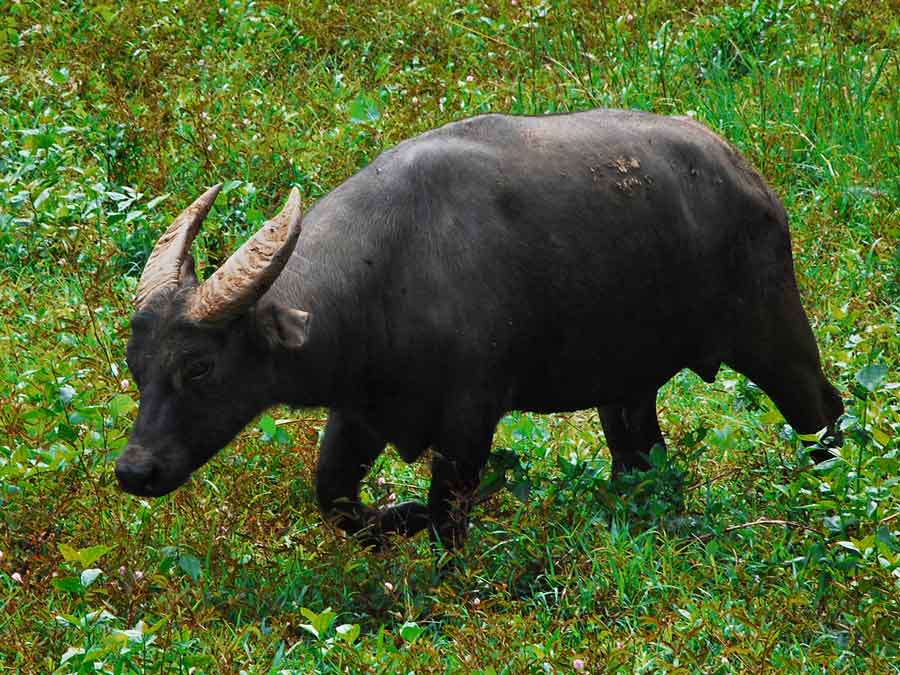
The Philippines: TAMARAW
POPULATION: 300
SCIENTIFIC NAME: Bubalus mindorensis
SIZE: 7.2ft in body length
WEIGHT: 440-660 pounds
HABITATS: Tropical highland forested area
Fun fact: “V” is their favourite letter. One of striking features of tamaraw is their horns. They are V-shaped, growing from the forehead, has flat back surface and triangular base.
Threats to Survival: Habitat loss (due to farming, cattle ranching, and expanding urban areas), diseases from livestock, illegal hunting.
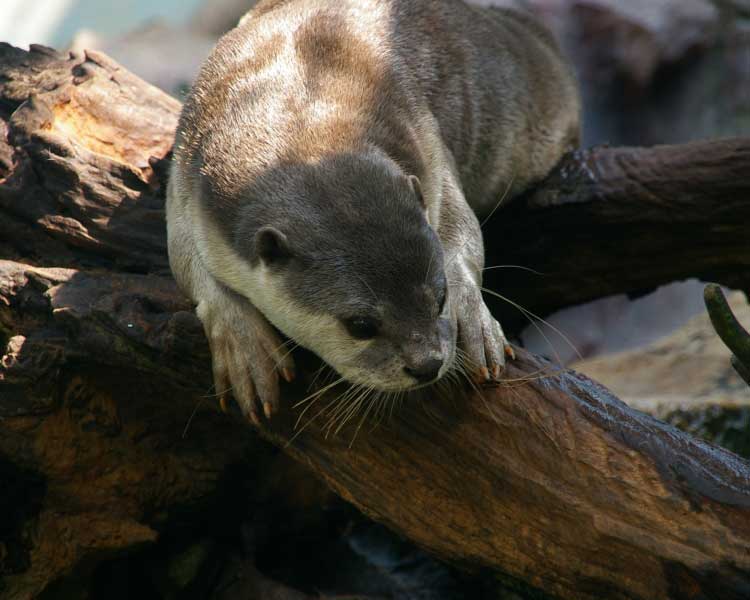
Singapore: SMOOTH-COATED OTTER
POPULATION: Unknown
SCIENTIFIC NAME: Lutrogale perspicillata
HEIGHT: 23-25 inches
WEIGHT: 15-24 pounds
HABITATS: Areas where fresh water is plentiful - wetlands and seasonal swamps, rivers, lakes and rice paddies.
Fun fact: If you were going fishing, what equipment would you take with you? How about a trained otter? If you're a fishermen, an otter might be part of your fishing routine! Fishermen usually train smooth-coated otters to chase fish into their nets. Actually, these fishermen are taking advantage of the otters' natural behavior. Smooth-coated otters hunt in groups, and they herd the fish together, so they are easier to catch. The same strategy works well for the fishermen, and they train the otters where to herd the fish.
Threats to Survival: Major threats to Asian otter population are loss of wetland habitats due to construction of large-scale hydroelectric projects, reclamation of wetlands for settlements and agriculture, reduction in prey biomass, poaching, and contamination of waterways by pesticides.
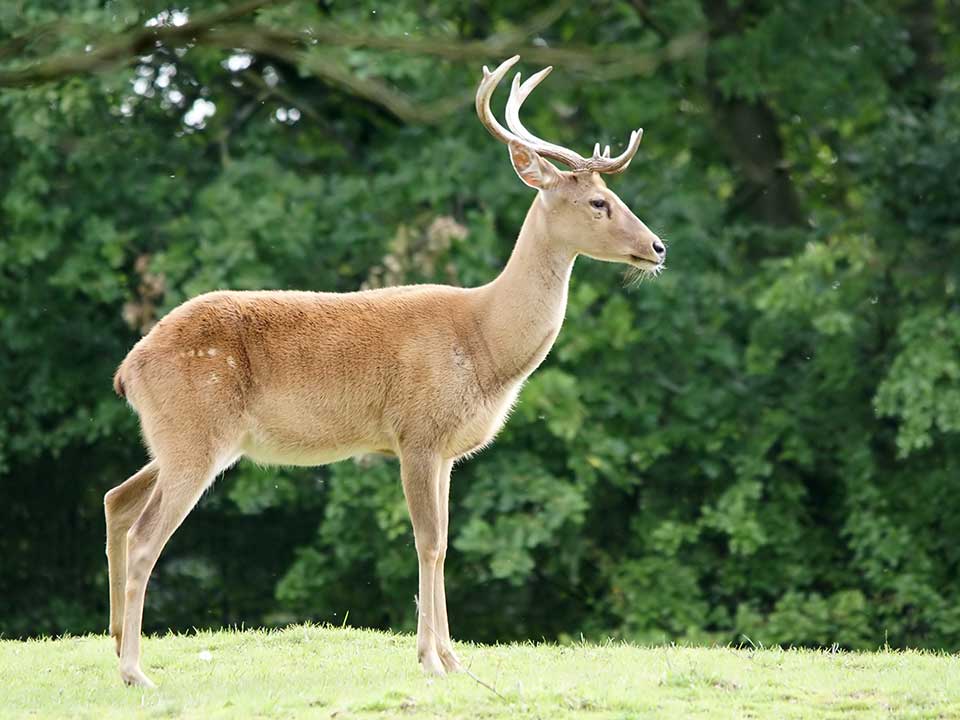
Thailand: ELD’S DEER
POPULATION: Unknown
SCIENTIFIC NAME: Rucervus eldii
HEIGHT: Up to 110cm
WEIGHT: Up to 150kg
HABITATS: Dry and deciduous forests
Fun fact: Male Eld's deer are offered large jolly balls during rutting season. They spend a lot of time pushing the balls around with their antlers, much like they would trees and shrubs in the wild. Moreover, Eld's deer breeding season is triggered by day length. The deer breed in the spring when day length increases, unlike white-tailed deer that breed in the fall as day length shortens.
Threats to Survival: Given the species' habit of inhabiting open grasslands, especially near water, Eld's deer have been an easy target for hunters.
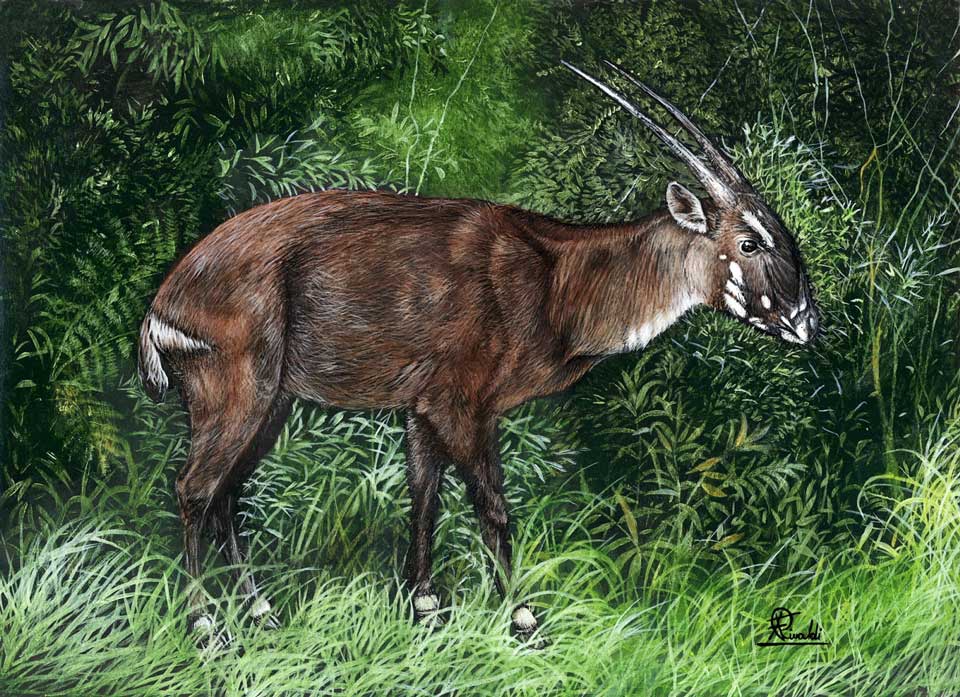
Vietnam: SAOLA
POPULATION: Unknown
SCIENTIFIC NAME: Pseudoryx nghetinhensis
HEIGHT: Average 33 inches at the shoulder
WEIGHT: 176-220 pounds
HABITATS: Evergreen forests with little or no dry season
Fun fact: The total number that people have a chance to witness Saola is even less than the total number of our fingers after 20 years since its spectacular and mysterious debut.
Threats to Survival: The main threats to the saola are hunting and fragmentation of its range through habitat loss. Snares set in the forest for wild boar, sambar or barking deer, also trap saola.