

- OTHER
- –
- –
- 6-min read
Biodiversity & animals extinction in Southeast Asia
Scientists estimate we are not losing species at up to 1,000 to 10,000 times the “background” rate, which is about one to five species annually.
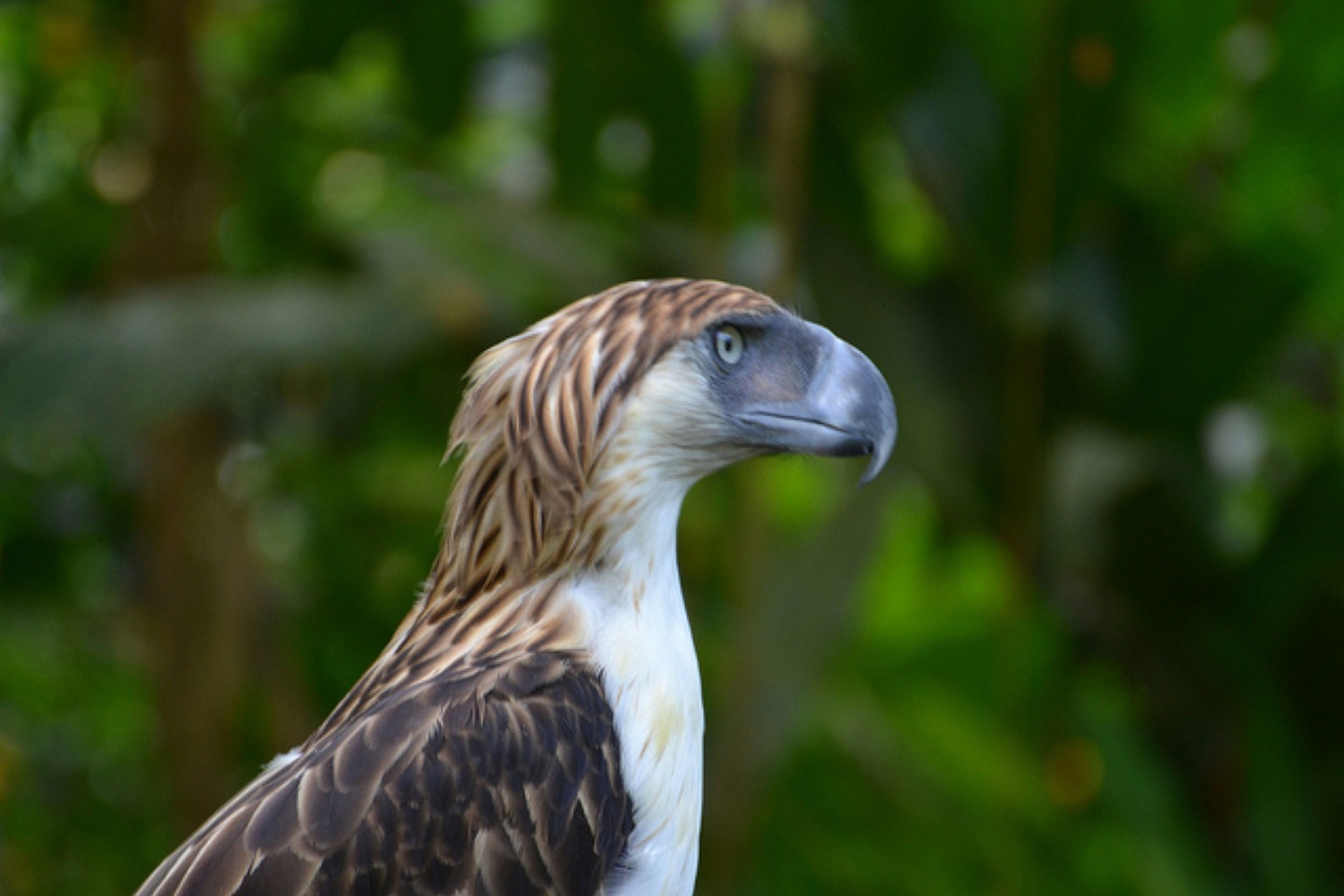 What is biodiversity & animal extinction?
The term biodiversity (from “biological diversity”) refers to the variety of life on Earth at all its levels, from genes to ecosystems, and can encompass the evolutionary, ecological, and cultural processes that sustain life. Biodiversity includes not only species we consider rare, threatened, or endangered but also every living thing – from humans to organisms we know little about, such as microbes, fungi, and invertebrates.
Most of the time, we refer to animal extinction, occurring when the last individual member of an animal species dies, as a disaster. In fact, animal extinction is not that terrible as it is also a natural phenomenon. What is truly terrible is that scientists estimate we are not losing species at up to 1,000 to 10,000 times the “background” rate, which is about one to five species annually.
Current situation of ASEAN’s animal extinctionSoutheast Asia is known as a global hotspot of biodiversity and endemism. If mammals, birds, and amphibians are analyzed at a family level, Southeast Asian countries have the highest global biodiversity of a number of taxa, yet the region is also one of the most biotically threatened. Ecosystems across the region are threatened by an array of drivers, each of which increases the probability of extinction of species in a variety of ecosystems. These issues are symptomatic of the issues that face the global tropics; however, with around 4 billion people in the wider region and the associated pressures on biodiversity, this region may be under some of the greatest levels of biotic threat.
Why should we care?The health of an ecosystem is measured by the biodiversity, in which endangered species are a sign of an ecosystem’s imbalance. The balance, however, is extremely difficult to maintain due to the interactive relationship between the animals. In other words, the loss of one species can trigger the loss of others and vice versa. For example, when grey wolves were hunted to new-extinction in Yellowstone National Park, a decrease in the beaver populations occurs as an indisputable consequence as elk, without the wolf as its predator, grazed more heavily on plants needed by beavers for winter survival.
Although most people usually make the assumption that the conservation of endangered species is not urgently important. In fact, a well-balanced ecosystem can be a purifier for our environment, cleaning the air and providing an efficient water system to support diverse marine life. By contrast, if ecosystems fail, our health is going to be at risk, meaning that saving endangered species, we can ultimately save ourselves.