
- SOLUTIONS
- –
- –
- 7-min read
Build up a vegetarian diet
"If the whole world, which continues to grow, eats more like us, the impacts are staggering, and the planet simply can't withstand it."
According to the United Nations Food and Agriculture Organization, we are exploiting 30% of the planet’s landmass to raise animal food. This, however, significantly contributes to make the extinct rate of animals faster by the global temperature, where clearing land for pastures releases CO2 at a staggering rate. Meanwhile, animal also consume more food than they actually can produce to serve human’s eating demand, not to mention that animal farming severely putting a threat to the water supply.
30% of the Earth’s landmass is used to raise animal food. Livestock farming tremendously contributes to global warming, where clearing land for pastures releases carbon dioxide (CO2) at a staggering rate. Animals also consume more food than they produce and animal farming can be a threat to our water supply. It is now time for us to rethink our consumption habits.
ASEAN AbilitySome ASEAN countries (Thailand, Cambodia, Singapore, and Indonesia) have been recorded most vegetarian-friendly in the world, showing that the movement of reducing meat intake is highly possible. Furthermore, based on current vegetable agriculture production, ASEAN region can easily meet the demand of its citizens.
Negative effects of meat-based diet to endangered animalsSurprisingly, the production of animal products generates the majority of food-related greenhouse-gas emissions (up to 78% of total agricultural emissions). This is due to manure-related emissions, to their “low feed-conversion efficiencies” (cows and other animals are not efficient in converting what they eat into their body weight) and to enteric fermentation in ruminants, a process that takes place in a cow’s stomach when it digests food that leads to methane emissions.
The feed-related impacts, besides, also contribute to freshwater use and pressures on cropland, which over time could lead to dead zones in oceans, low-oxygen areas where few organisms can survive. In addition, cows emit the potent greenhouse gas methane during digestion, making them and other ruminants such as sheep especially high-emitting. Other animal foods have lower impacts as they do not produce methane in their stomachs as well as require less feed than cows.
Like animals, plants also require inputs from the environment in order to grow. The magnitude, however, is significantly less.
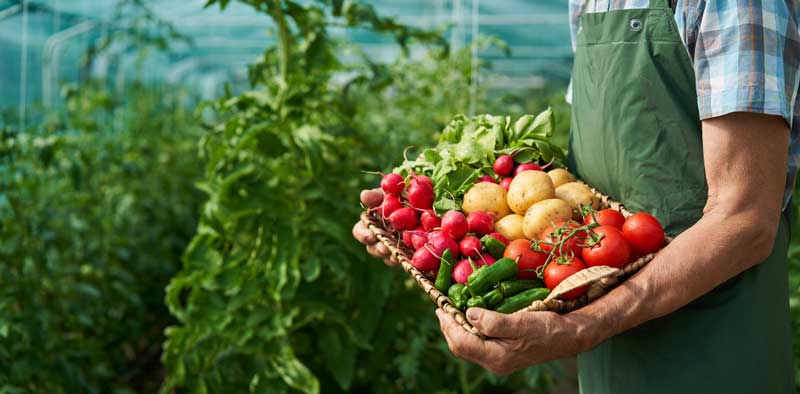
Benefits of having a plant-based dietApart from helping us become healthier by lowering the risk for obesity, heart disease and diabetes, filling the plate with plant foods can reduce dangerous levels of climate change with higher occurrences of extreme events. The regulatory function of forest ecosystems and biodiversity can be preserved while there is a shrinkage in oxygen-depleted dead zones in oceans. More precisely, legumes like beans, lentils, and peas are the most sustainable protein source on the planet as they require negligible amounts of water to grow. They can grow in such harsh and dry climates, they grow up in poor areas, providing food security while acting as a natural fertilizer. If you are seriously considering build up your vegetarian, these plants are the types of protein source that is worth-relying upon more often.
"If the whole world, which continues to grow, eats more like us, the impacts are staggering, and the planet simply can't withstand it," said Sharon Palmer, a registered dietitian nutritionist and plant-based food and sustainability expert in Los Angeles. In other words, drastically reducing animal food intake and mostly eating plant foods is one of the most powerful things we can do to reduce our impact of ASEAN environment (energy required, land used, greenhouse gas emissions, water used and pollutants produced) to bring out a better life for the animals, particularly endangered ones.